Turning a Student Debate Tool Into a Stream Format Your Chat Will Actually Vote On
A timed AI debate with a scored verdict gives chat something to call.
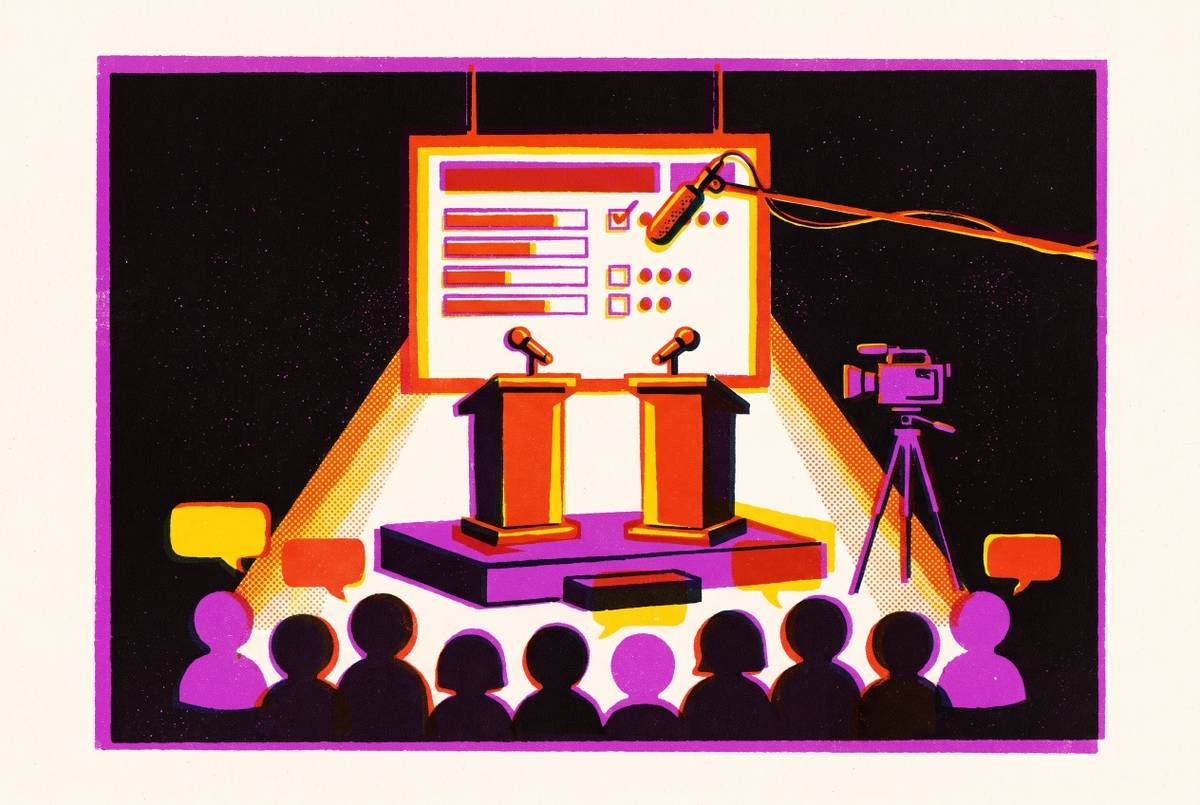
Debate AI lets students speak in full timed debates against an AI opponent and get a judge ballot at the end. For creators turning a student debate tool into a stream format, the decisive ingredients are visible time pressure, an unpredictable opponent, and a scored verdict. The format works when viewers can call the winner first, then compare their judgment with a decision grounded in what the debaters actually said.
Why timed-round debate translates to stream format more naturally than other live content
Reaction content waits for something to happen, while gaming content depends on the game’s pacing. Competitive debate generates tension through its structure. Two speakers argue for opposing sides with a clock running, and both know a verdict will follow. Each speech changes what the other side must answer, and each unanswered point can become part of the eventual decision.
That structure also breaks the broadcast into segments, so the streamer can carry on without having to come up with a new premise halfway through. An opening establishes the case, cross-examination tests it, a rebuttal answers the challenge, and a close gives the audience a final comparison. Each segment changes the audience’s task. Viewers can first judge whether a position sounds defensible, then watch to see if it holds up when the other side challenges it. The progression makes the round legible even when the subject is unfamiliar.
Unlike an exchange that simply stops when the participants run out of energy, a scored debate ends with a judgment that can cite the arguments just heard. That distinction gives the closing moment substance. Viewers are not merely waiting to learn who won, but whether the judge recognized the same turning points they did.
The three mechanics that actually drive chat participation during a live debate
The timed clock gives viewers a prediction to make before they understand every argument. Can the speaker finish the answer in time? As the remaining time shrinks, chat can react to hesitation, acceleration, or a conclusion that has not yet arrived. For a casual viewer, that shared constraint provides a way into the round without requiring the attention or background of a tournament judge.
A solo monologue can be polished in advance, and a prerecorded rebuttal cannot adapt to what happens next. A live challenger can interrupt, expose a contradiction, or force a speaker to defend an unexpected point. That uncertainty belongs to both sides of the screen. Chat can assess not only the original argument but the streamer’s response when the planned case meets resistance.
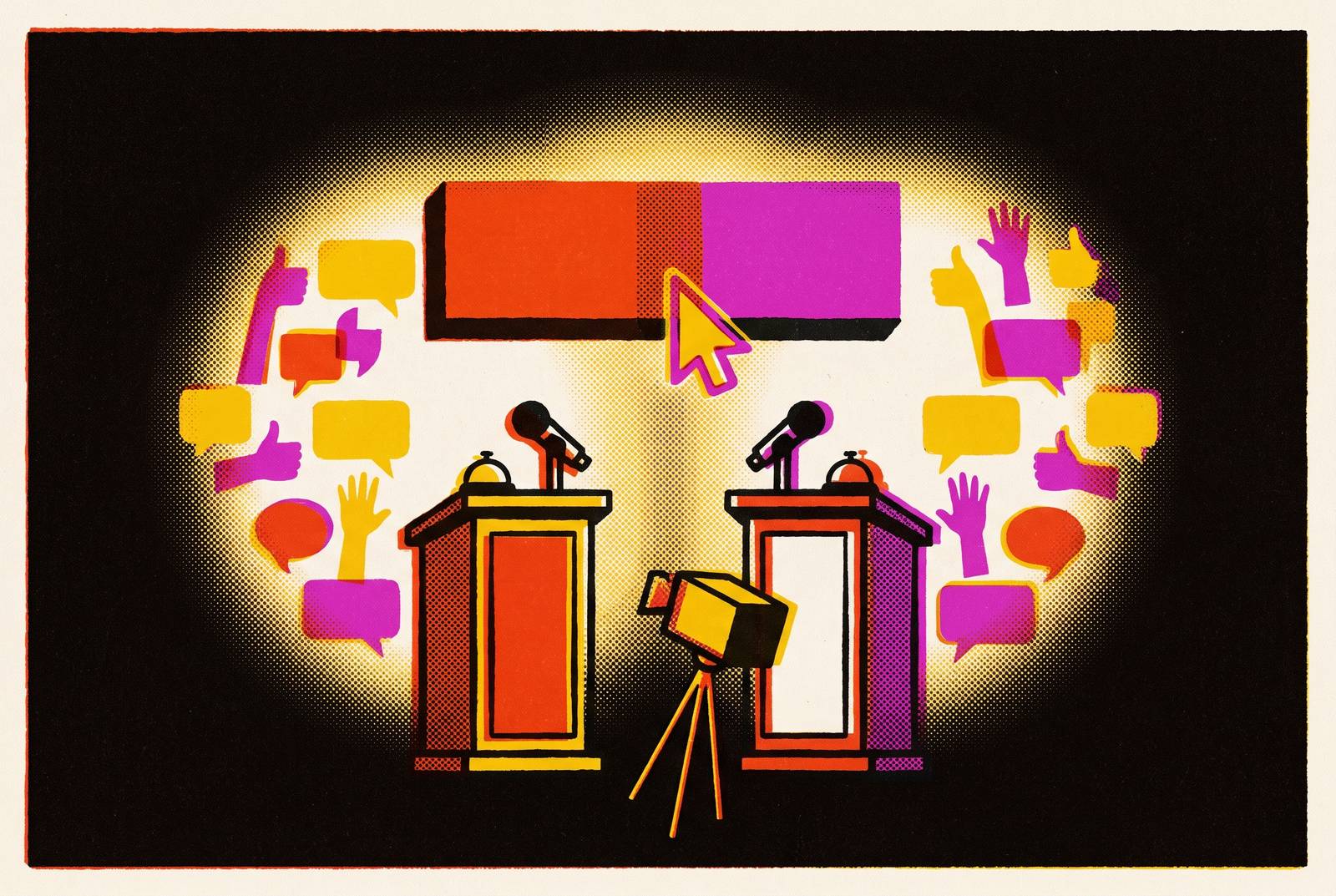
Chat calls the winner before the judge does, creating a prediction market in miniature. The written decision then supplies the comparison. Agreement can validate the audience’s reading, while disagreement creates a sharper question about which argument deserved more weight. The gap between the audience’s call and the judge’s decision is useful because both concern a shared exchange. These three mechanics give chat distinct jobs, which are predicting under pressure, reacting to opposition, and contesting the result.
How does AI judging work, and what scoring criteria should viewers see?
An AI judge earns credibility on stream by backing the label “AI” with visible rules and an inspectable decision. The audience’s obvious question is who decided that. LetsArg uses criteria including logical coherence, use of evidence, rhetorical effectiveness, and how well each debater addresses the opponent’s points. Those categories help tell a speaker who argues well from one who only sounds sure. For a buyer seeking a live voice debate platform with AI judging and a published scoring rubric, spoken rounds and automated ballots answer only part of the question. The scoring rules must also be available for scrutiny.
Debate’s adversarial structure gives the judge a corrective force that a single unchallenged answer lacks. The opposing side has a reason to expose unsupported claims and contradictions. Geoffrey Irving, Paul Christiano, and Dario Amodei proposed this approach to AI oversight in the 2018 paper AI Safety via Debate. Its central premise is conditional. If a false claim is easier to refute than defend, the other side can help the judge see which answer is stronger. That gives the exchange value while leaving the correctness of any particular automated verdict to be established.
AI judges can favor the last speaker or respond to confident tone rather than correct reasoning, while obfuscated arguments can make evaluation harder. A panel of three independent models makes it less likely that one model’s bias will decide the result, though the models can still disagree. That disagreement can itself become material for chat. To establish the terms in advance, the streamer should show the scoring criteria, explain the judging arrangement, and name its weaknesses before the opening speech. Viewers can then make their own prediction under the same stated rules.
Picking a topic that gives chat a side before the first speech starts
A good stream topic gives viewers a side to take before either speaker starts. The round then tests what viewers already think, so they can follow it without having to learn a new question from scratch. That does not mean choosing a dispute settled by recalling a fact. The tension comes from deciding which values should come first. Once viewers see what each side wants to protect, they can follow a real disagreement without treating the debate as a trivia contest.
The streamer therefore needs to choose a topic with a case the other side can make well, even if a weaker case sounds easy to beat. The practical test is steelmanning the other side. Economist Bryan Caplan’s “ideological Turing test” asks whether someone can explain an opposing view convincingly enough that its supporters cannot distinguish that explanation from their own. If the streamer cannot state the opposition in a form its strongest supporters would recognize, the topic does not yet offer enough tension for a full round.
Pre-loaded topics with known arguments on both sides can cut the time needed to prepare and give both speakers material to work with. Their production value lies in that balance. A prompt that leaves one side with little to defend weakens the uncertainty on which audience participation depends. Letting chat vote on the topic also brings the choice out of behind-the-scenes preparation and into the broadcast. That vote shows where the audience stands at the start, giving it a starting point for calling the winner later. The eventual verdict can then test not just which speaker impressed chat, but whether the exchange challenged its original instinct.
Staging the round for an audience that cannot see a flow sheet
The flow sheet is invisible to chat. A trained judge can silently track arguments and answers, but a stream audience cannot be expected to reconstruct that record while also following the speakers. The production task is to make the relevant structure visible or audible without replacing the timed round with commentary. The clock should remain on screen continuously. It gives everyone the same reference for pacing and makes a speaker’s dwindling opportunity to answer apparent without an explanation from the host.
The argument being answered also needs to be clear at the moment of rebuttal. The streamer should name the opponent’s specific claim before responding, rather than moving directly into new material and leaving viewers to infer the connection. This brief audience cue lets chat judge whether the response addresses the challenge or merely sounds persuasive. The same principle applies to Points of Information, which are mid-speech interruptions that the opposing debater can accept or reject. The interruption and the decision about whether to take it create a visible micro-decision that viewers can second-guess immediately.
The verdict should arrive as a produced beat that keeps the activity going. Before showing it, the streamer should give chat a chance to call the winner. The written decision then deserves time on camera. Reading it aloud, showing the scores, and reading its citations of what was actually said connect the result to the exchange viewers just watched. That order preserves the audience’s independent judgment before exposing it to the judge’s reasoning. The reveal becomes a comparison between two readings of the round, with the cited arguments providing the basis for discussion.
Using AI opponents to run practice rounds before going live with a human challenger
A convincing loss can still make an entertaining stream. Visible lack of preparation creates a different problem, because it weakens the audience’s respect for the contest itself. A streamer who has never spoken under the clock may lose a well-reasoned answer to poor timing. Silent preparation does not reproduce that constraint. So the streamer should focus on speaking out loud in practice before facing a human challenger live for the first time.
The practical drill begins with writing the case the streamer will argue against. The streamer then delivers a speech aloud on a timer, reviews the recording, repairs weak lines, and delivers it again. Two or three focused speech sessions a week provide a better cadence than one long session immediately before the stream. A recorded practice round can also be watched three times, first for content, then with sound off for body language, and finally with video off for voice. Each pass isolates habits that are difficult to notice while speaking.
Debate AI provides full timed voice rounds against an AI opponent, including spoken speeches, mid-speech Points of Information, and a judge ballot at the end. That combination rehearses both the substance of the case and the same constraints the audience will later see. The ballot also makes the ending familiar, so practice includes both polishing an opening statement and reaching a verdict after an imperfect spoken performance. The recommended progression moves from private AI rounds to live 1v1 debate and then to a streamer matchup as each setting becomes comfortable.
How the leaderboard and creator matchup structure turns repeat viewers into invested participants
A public leaderboard ranked by best score gives individual verdicts a place in a longer story. Viewers who come back can follow names from round to round, with each broadcast linked to the ones before it. The score becomes more than an ending. As with a chess ladder, the ranking gives the next appearance a context, because the audience already has some basis for judging the competitor. That continuity extends the uncertainty of a single round into interest in who will perform well next.
Rank is therefore not a guaranteed seat. The topic and timing must work for both sides. When a familiar leaderboard name does receive an invitation, the audience has an existing reason to care about the matchup.
Chat’s role changes as those appearances accumulate. In an early round, viewers mainly predict a winner from the exchange in front of them. In a repeat format, they can also act as a scouting report, bringing opinions formed from earlier performances and the leaderboard. The written verdict supplies a shared record for that discussion. Because the decision cites what was said, viewers can dispute a call through specific evidence. That continuing investment is what makes debate more than a one-session stream experiment. The format rewards a creator who keeps running rounds, giving the community another result to contest and another challenger to follow.