AI Judge Reveal as a Stream Event — Timing and Presentation
Staging the AI verdict's layers transforms a score into a dramatic payoff.
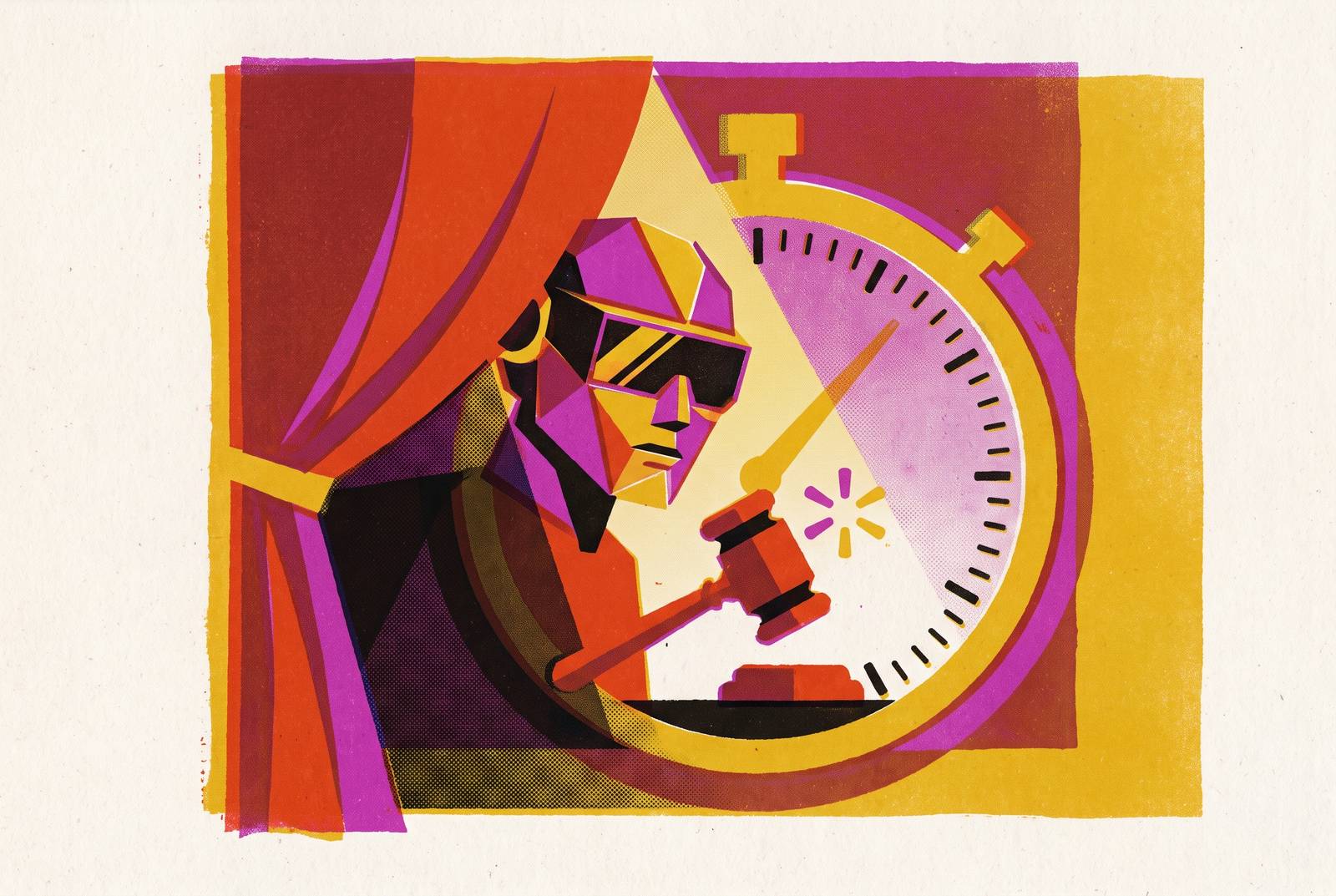
The AI judge reveal is the dramatic climax of a live debate stream, and its impact depends on timing and presentation. A deliberate pause, visible criteria and a well-read explanation turn a score into a payoff. The creator’s task is to stage those layers so the audience understands how the debate produced the result.
Why the AI judge reveal is a creative problem, not just a feature
Creators often announce the score and move on, treating the verdict as a loading screen between the debate and whatever comes next. The audience has already watched two people argue in real time and formed an opinion about their performance. Just announcing the result gives viewers little time to work through what it means for the debate they have watched.
When the verdict arrives, viewers already have a judgment in mind, unlike when a new topic comes up on stream. The AI’s decision can confirm that judgment, surprise the viewer or contest their reading of the round. When the AI agrees with viewers, it can explain why a strong exchange mattered, while a surprise can draw their attention to a weakness they missed. Disagreement can become a discussion of the standard rather than a contest over which side deserved to win.
These responses depend on revealing the verdict in steps. The pause restores the stakes, the criteria establish the standard, and the reasoning connects that standard to what was said. Each part has a different job, so collapsing them into one screen also collapses their dramatic value. Deliberate design gives viewers time to make those connections. The craft lies in pacing the evidence for the result.
What an AI judge is actually producing — and why that matters for presentation
An AI verdict has several layers, including scores, criteria breakdowns and cited reasoning. The scores show the result, while the breakdown shows how well each debater met each standard. The reasoning then explains the judgment through specific moments in the exchange. These layers answer different audience questions, which makes their order a meaningful presentation choice.
Granular scoring also means that a debate need not have the same winner on every dimension. A debater can win on logic while losing on clarity, and each criterion can carry its own weight. The total compresses those differences into an overall result. For presentation, however, the differences are often the material that makes the result intelligible. A creator who moves directly to the total removes the audience’s opportunity to see how competing strengths contributed to it.
The functional distinction is between the standard, the performance against it and the explanation for that assessment. Criteria defined before the round give the audience a standard to revisit. Reasoning that cites particular statements supplies evidence for how the AI applied it. Together, they allow the verdict to be shown rather than merely announced, without making the score itself more authoritative than the explanation supports. Reveal each layer when it answers the question raised by the one before it, rather than treating every part as something viewers need to see right away.
The case for a deliberate pause before the score appears
The pause before the score is the highest-leverage timing decision because it preserves the audience’s own verdict long enough for a comparison to matter. During the debate, viewers have been deciding which claims held up and which responses fell short. An immediate score can interrupt that private assessment before the creator brings it into focus. A short recap instead brings viewers back to the exchange that made the round worth judging. The pause has a task to do in the time it takes.
That task is concrete. Naming one key moment from each side recalls the argument and the opponent’s response before the verdict. This creates a compact narrative with a point of tension still unresolved. The recap should recover the stakes of the exchange. Its value comes from selecting what the audience needs to remember at the moment of judgment.
The right length follows from that work. Too short, and the transition feels mechanical because nothing separates the conversation from its score. Too long, and the withholding reads as padding because the audience is waiting without gaining context. The time needed to name one important moment from each side provides a practical boundary. Once that work is complete, the reveal can proceed into the criteria without another delay. This transition marks the round as a scored event, with a verdict grounded in the preceding argument.
Surfacing criteria before scores — revealing the standard as part of the drama
After the recap, the audience needs the basis of judgment before the outcome. Showing the score first directs attention to the number and the winner it names. Showing the criteria first asks viewers to interpret the decision by considering how the round measures up. It gives them more to judge than whether the side they preferred won.
The creator can do this without reading every sub-criterion. Select the two or three criteria that were most decisive in the round and name them before displaying any scores. Labels such as clarity, evidence and rebuttal strength tell viewers what is being judged without a long explanation. Let each label sit for a beat, then show how well each debater did against that criterion. Moving through the selected dimensions in this way gives each comparison room to register before the total settles the outcome.
The fairness benefit comes from making the application of the rules visible. An audience member can accept the standard while disputing whether a rebuttal met it. That is a more useful disagreement than an argument about an unexplained number. It also gives the creator a defensible anchor in the actual decision, such as the AI’s finding that the rebuttal on the second point went unaddressed. The creator can explain that finding without treating the system’s conclusion as beyond challenge. The standard becomes part of the drama because viewers can follow, and question, its application.
Reading the written reasoning aloud — how to make the AI's explanation a stream moment
Once the criterion-level performance is visible, the written reasoning can explain what drove it. This is the most content-rich part of the verdict because it returns to things the debaters actually said. An uncontested claim, a rebuttal that landed or a logical gap the opponent exploited can function as an instant replay in words. Read as fine print, that material feels like paperwork. Read as an account of the decisive exchanges, it makes the judgment concrete.
Selection matters more than completeness. Curate the two or three findings that best explain the outcome, while leaving the rest on screen for viewers who want to read further. Each selected finding should contribute a distinct reason for the result rather than restate the same weakness in different terms. Read one finding, pause and leave time for a short reaction before going on. That rhythm lets the explanation accumulate instead of arriving as a block of text the audience must absorb at once.
Commentary can then connect the finding to the exchange viewers remember. The creator can point out that a weakness was audible in the second exchange or explain that the AI flagged a missing warrant in an apparently effective rebuttal. It should stay clear which finding comes from the AI and how the creator reads it. That separation makes the reasoning easier to examine without silently rewriting the verdict. It also creates an opening for a focused debrief, in which a debater can explain whether they recognized the unsupported warrant or believed their rebuttal had answered the claim.
Acknowledging what the AI judge does not catch — and why saying so builds trust
A clear explanation does not make an AI verdict final truth. The strongest objection to a carefully staged reveal is that polished presentation can make a limited assessment look conclusive. The creator can acknowledge a relevant limit where it affects the reading of the round. This does not require a lengthy disclaimer or a separate discussion of AI theory. One concrete divergence between the system’s assessment and a human reading is enough to establish the distinction.
For example, AI can flag a fallacy but may miss a clever rhetorical move that falls outside its training patterns. An unconventional but effective argument can therefore be underscored. If that tension appears in the reasoning, the creator can name it directly.
That acknowledgment works best against rules published before the round begins. With the criteria already known, the reveal can examine how they were applied instead of inventing a justification after the outcome. The creator can distinguish a disagreement about application from a disagreement about the rules themselves. Viewers are then asked to understand the verdict as a structured assessment under stated criteria. This gives a debate stream community more reason to trust the format because viewers can question a finding without giving up on the format whenever they disagree.
The reveal sequence as a repeatable format — what creators can standardize
These decisions work best as a consistent sequence that the audience learns to anticipate. Begin with a brief recap of the key exchange, giving one point from each side. Name the chosen criteria before any scores appear, then show how each side did on each criterion, leaving time for each comparison to land. Read the key written findings and comment on them before showing the final scores. After the total, invite one response from each debater.
The recap restores the contest, the criteria establish the terms, and the performance breakdown shows where the sides separated. The reasoning explains that separation before the final score resolves it. Short reactions during the explanation can show agreement or surprise, while the closing responses give each debater time to speak to a finding. Defending or conceding a point the AI flagged can extend the round’s energy into a substantive debrief.
What becomes standard is the order and purpose of those moments. The selected criteria and findings still come from the debate being judged. For back-to-back rounds, the same structure builds familiarity without requiring the creator to reinvent the reveal for each match. Viewers can anticipate the next step while remaining uncertain about what it will show. The reveal is therefore not a production trick placed on top of a debate stream. It is the moment the debate becomes legible to the audience, and designing it well is what turns a conversation into an event.
Sources
- "I think this is fair": Uncovering the Complexities of Stakeholder Decision-Making in AI Fairness Assessment
- Judging LLM-as-a-Judge: Concerning Rubric Artifacts in LLM-based Automated Text Generation Evaluation
- Training Language Models to Win Debates with Self-Play Improves Judge Accuracy
- AI safety via debate
- AI Debaters are More Persuasive when Arguing in Alignment with Their Own Beliefs